
Composition by record.
Every formulation in the Larkon catalogue moves through a documented seven-step process before it is assigned a reference number. The process is the same for every ingredient, every batch, every category.
Research Review
Each potential ingredient begins with a literature assessment. The editorial team reviews published nutritional research from indexed sources to establish the documented role of the ingredient in normal metabolic function. Only ingredients with a consistent evidence base across multiple independent sources progress to the next step.
Where the evidence base is limited or contested, this is noted in the formulation profile. The catalogue does not omit limitations. Research references are archived by ingredient code and are available for editorial review on request.

Supplier Assessment
Active ingredients are sourced from documented suppliers, with each batch accompanied by a certificate of composition. Sourcing prioritises suppliers whose facilities maintain food-grade processing standards. Supplier documentation is assessed against a structured evaluation matrix covering chain-of-custody records, processing facility standards, and labelling accuracy history.
Supplier assessments are updated annually. Relationships that cannot maintain the required documentation standards are suspended pending resolution. No ingredient enters the active catalogue from an unassessed supplier.

Sample Acquisition
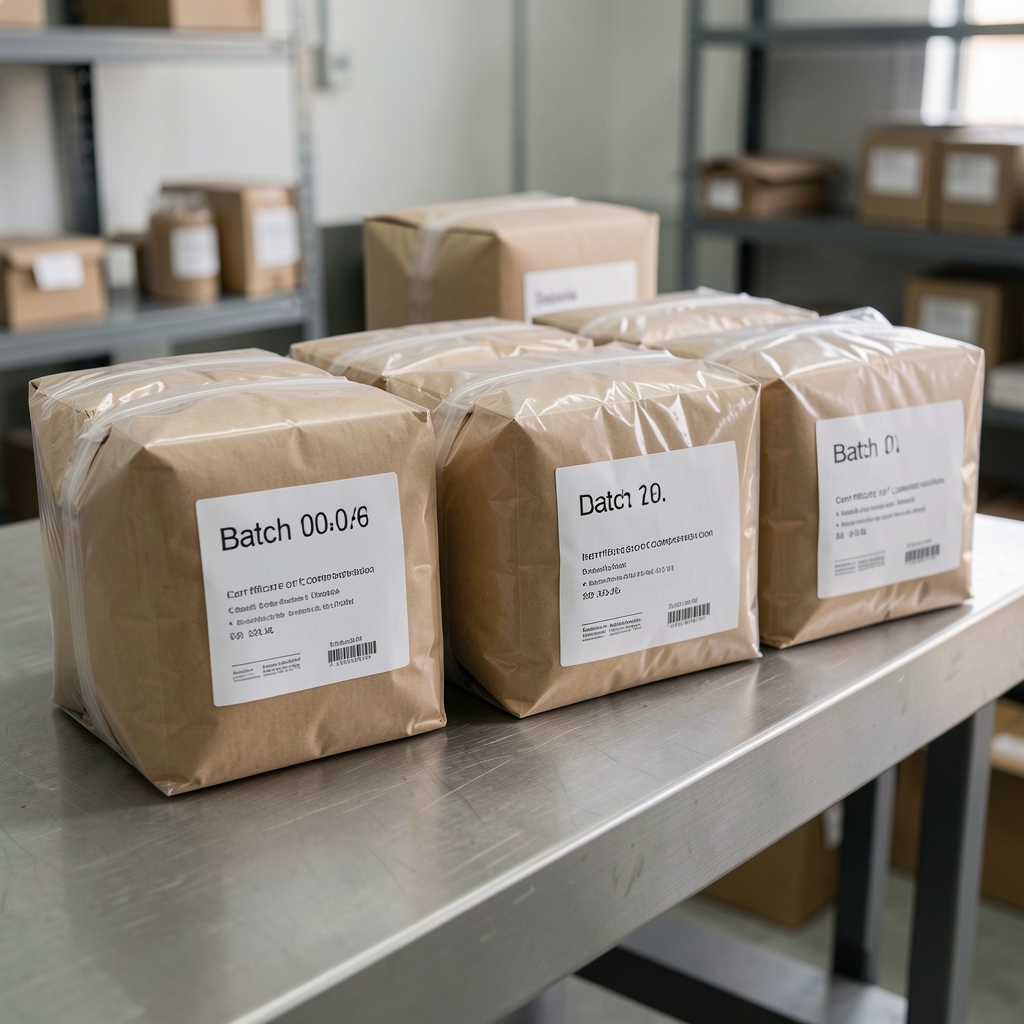
An initial sample batch is acquired directly from the assessed supplier. The sample is received with a certificate of composition identifying the claimed active constituent concentration, botanical or mineral origin, and batch code. The certificate is filed against the sample reference before any analysis begins.
Composition Analysis
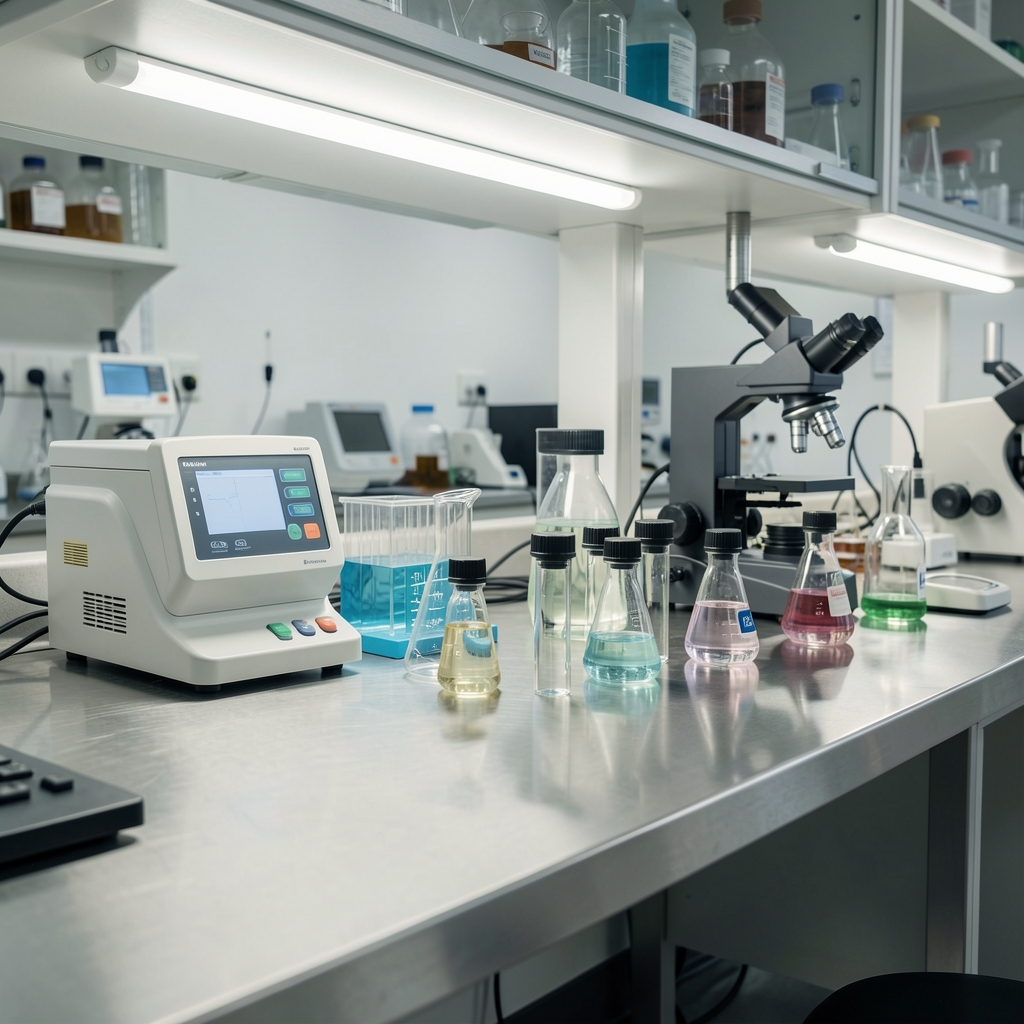
Ingredient profiles in Larkon supplements are selected based on published nutritional research and undergo independent batch verification for quality and labelling accuracy. Analysis covers active constituent concentration, contaminant screening, and dissolution profile where relevant to the ingredient category.
Results are compared against the supplier's certificate of composition. Where a material deviation is identified, the batch is placed on hold pending investigation. Deviations of greater than 10% from declared concentration trigger a full supplier reassessment.
Independent Review Panel
Catalogue updates are reviewed by an external panel of qualified nutrition professionals. The panel assesses formulation accuracy, research alignment, and serving guidance. Panel members operate independently of the editorial team and provide written assessments that are archived alongside the formulation profile.
Panel review is not a regulatory process. It is an editorial process — an additional verification layer that exists because the internal team considers external scrutiny a structural requirement of responsible catalogue maintenance. No formulation profile is approved without a completed panel assessment.
Formulation Profile Construction
On completion of steps 01 through 05, the editorial team constructs the formulation profile. The profile documents: ingredient name and botanical or mineral origin, active constituent concentration per serving, sourcing region and supplier reference, documented nutritional role from the research review, serving size and sequencing guidance, and batch verification status.
Profiles are assigned a reference number in the format LK-XX and filed in the active catalogue. The profile is updated whenever new batch data is received or when the research review identifies a material change in the evidence base.
Ongoing Batch Monitoring
Once a formulation enters the active catalogue, batch monitoring continues on a rolling basis. Each new production batch from the supplier is assessed against the formulation profile before it is incorporated into the active catalogue reference. Monitoring data is logged chronologically against the profile reference number.
Where monitoring identifies a deviation from the documented profile, the affected batch reference is marked pending and the profile is updated to reflect current status. The catalogue does not list formulations that are not in active verified status.
What the catalogue will and will not include.
The Larkon catalogue operates on a set of documented inclusion criteria. These criteria apply uniformly across all six formulation categories and are not adjusted based on commercial or editorial preference.
- Ingredients with published research basis
- Whole-food or documented mineral sources
- Suppliers with food-grade processing standards
- Independently verified batch composition
- Plant-compatible formulations where available
- Proprietary blends without full constituent disclosure
- Ingredients from unassessed suppliers
- Batches with unresolved composition deviations
- Ingredients lacking peer-reviewed research basis
- Commercially sponsored formulation profiles

The current sourcing map covers nine active supplier relationships across four continents. Each relationship is assessed annually against the catalogue's documented criteria. Supplier locations are listed in the formulation profiles where sourcing origin is relevant to ingredient quality assessment.
Mineral-sourced zinc and magnesium. Netherlands processing partner for B-vitamin active forms.
Ashwagandha root extract from Rajasthan, India. Chain-of-custody documented from cultivation to export.
Lichen-derived D3, Scandinavian rhodiola rosea, and Atlantic algae microculture for DHA/EPA profile.
Japanese natto fermentation source for K2 (MK-7). CoQ10 ubiquinol from a verified Japanese production facility.
Third-party review is not optional.
Ingredient profiles in Larkon supplements are selected based on published nutritional research and undergo independent batch verification for quality and labelling accuracy. The verification function operates entirely separately from the editorial function.
Verification results are communicated to the editorial team as a structured data report, not as a narrative. The team records the result against the batch reference without editorial modification. Where results are satisfactory, the batch enters the active reference. Where they are not, the resolution process is documented before any update is made to the profile.
Common questions about the verification process.
Batch composition analysis is conducted by an independent third-party facility with no commercial relationship to Larkon or to the ingredient supplier. The facility is selected on the basis of its documented methodology and retained on an annual contract. Results are transmitted directly to the editorial team without supplier intermediary.
Profiles are updated on a rolling basis as new batch verification data becomes available, and are reviewed in full against the current research literature on an annual cycle. Where a material change in the evidence base is identified between annual reviews, a profile update is initiated immediately rather than deferred.
Summary verification data is published in the formulation profile for each reference number. Raw batch reports are available for editorial review on written request to the Brussels office. Requests are assessed on a case-by-case basis and typically fulfilled within five working days.
The affected batch reference is marked pending in the catalogue. The editorial team initiates a supplier inquiry with the analysis report as supporting documentation. The profile is not updated to active status until the inquiry is resolved to the team's documented satisfaction. If resolution is not achievable, the batch is retired from the catalogue record and the supplier relationship is escalated to full reassessment.
Larkon is an independent wellness resource focused on everyday nutrition and active lifestyle practices for men. The content is not affiliated with any governmental or institutional body. The verification methodology is an editorial standard, not a regulatory one. Readers seeking regulatory guidance on food supplements in Belgium are directed to the relevant national authority.
Larkon is an independent wellness resource focused on everyday nutrition and active lifestyle practices for men. The content is not affiliated with any governmental or institutional body.
We recommend speaking with a qualified wellness or nutrition professional before introducing any supplement to your daily routine, particularly if you have specific dietary requirements.